Before starting to trade, beginners need to consider more than just learning charts or choosing a trading strategy. Understanding what should a beginner learn before trading also means considering practical factors such as financial goals, available time, trading costs, broker selection, tax responsibilities, reliable information, and account security.
Knowing all this ahead of time will help you make better decisions and save yourself from unnecessary mistakes. It is not about solving everything right away but rather ensuring that the technical aspects of trading, including technical indicators, work for you before investing any money into it.
7 Things to Consider Before Trading
Before making the first trade, there are a number of factors that need to be understood besides charting and technical analysis. These factors include financial goals, the amount of time available, trading expenses, broker selection, technology used, sources of information, and any legal or tax concerns. These factors can influence your trading experience regardless of the strategy you use.
Here are seven important things to consider before trading:
1. Decide What You Want Trading to Achieve
Be clear about why you want to trade before opening an account. Trading for occasional supplemental income is very different from treating it as a primary source of income.
Consider:
- Whether you are trading to learn how financial markets work
- Whether you want to develop trading as a long-term skill
- Whether you expect trading to provide supplemental income
- How much financial uncertainty you are comfortable accepting
- What would make you consider your trading progress successful
- Whether your expectations are based on realistic outcomes rather than quick profits
Having a clear objective can make it easier to choose an approach that fits your circumstances instead of changing direction whenever results fluctuate.
2. Evaluate How Much Time You Can Actually Commit
Trading requires more than the time spent placing orders. Depending on your approach, you may need time to research markets, monitor positions, review information, and evaluate your decisions.
Before choosing a trading style, consider:
- How many hours you can realistically dedicate to trading
- Whether you are available during the market's active hours
- How often you can monitor open positions
- Whether your work or studies limit your availability
- How much time you can dedicate to market research
- Whether you can maintain your routine consistently
A trading approach should fit your actual schedule. Choosing one that demands more attention than you can provide may create unnecessary pressure.
3. Compare Brokers and Trading Platforms Carefully
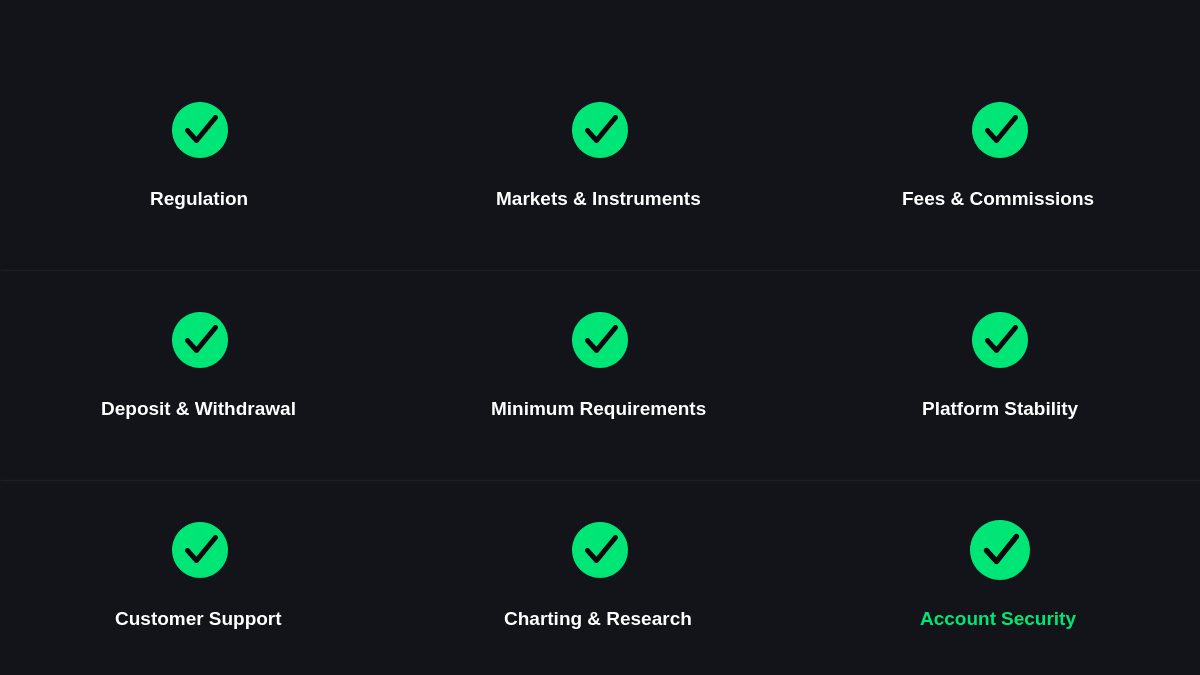
Your broker determines how you access the market and what tools and services are available to you. Beginners should compare providers rather than choosing one based only on advertising or popularity.
Check:
- Whether the broker is properly regulated
- Which markets and instruments are available
- Commission and account fees
- Deposit and withdrawal methods
- Minimum account requirements
- Platform stability and usability
- Customer support availability
- Charting and research tools
- Account security features
Read the broker's terms and fee schedule before depositing money. A platform with low advertised commissions may still have other costs or limitations that affect your experience.
4. Calculate the Full Cost of Trading
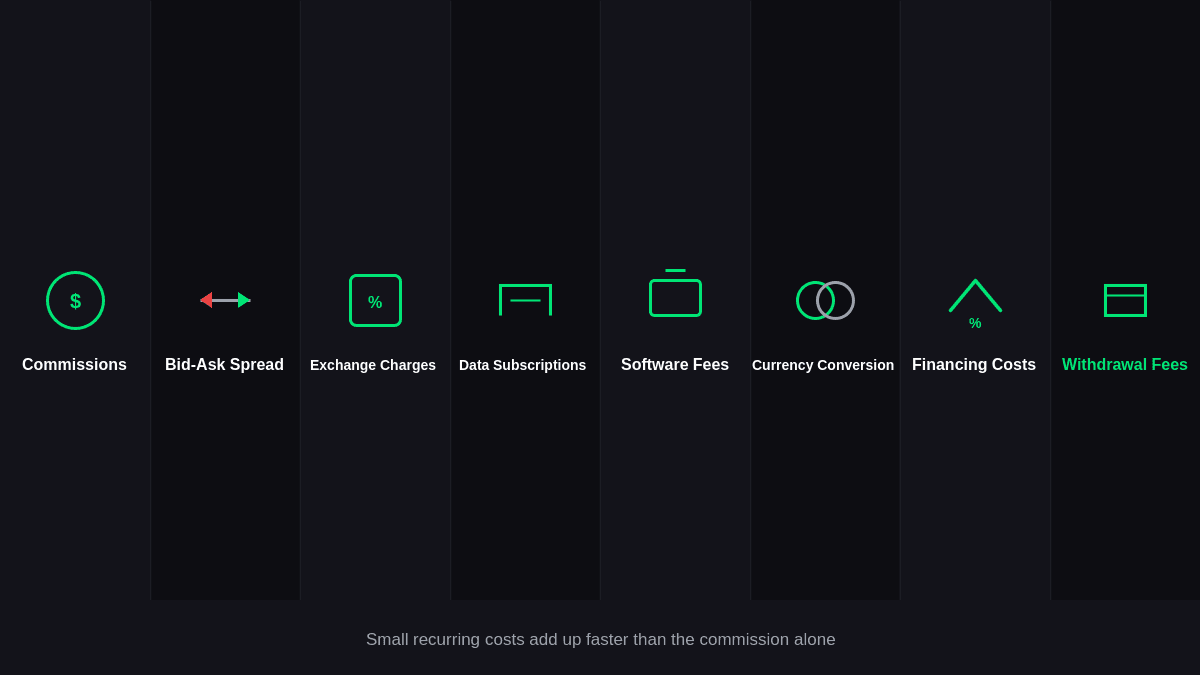
The cost of a trade can involve more than the commission shown when an order is placed. Understanding these expenses beforehand can help you determine whether your chosen trading activity is financially practical.
Possible costs include:
- Trading commissions
- Bid-ask spreads
- Exchange or regulatory charges
- Market data subscriptions
- Platform or software fees
- Currency conversion charges
- Financing or borrowing costs
- Withdrawal or account-related fees
Also consider how frequently these costs will occur. Repeated small expenses can become significant for traders who place a large number of transactions.
5. Understand the Tax and Regulatory Responsibilities
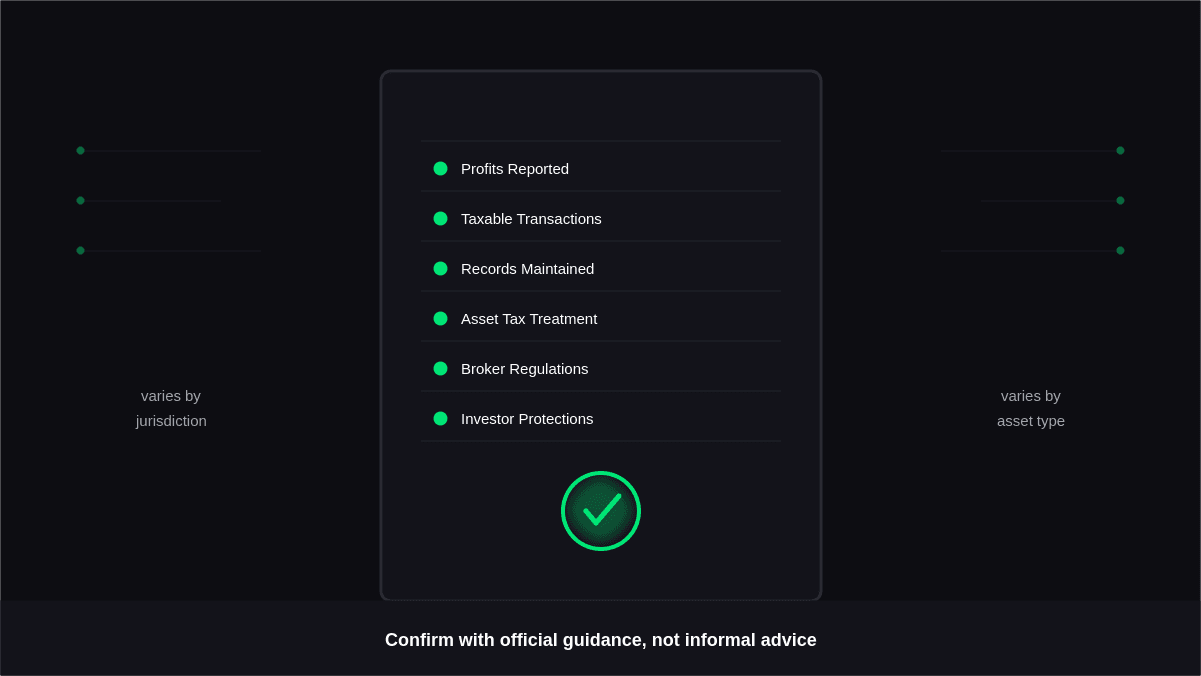
Trading can create financial and reporting responsibilities that vary depending on where you live, what you trade, and how your activity is classified.
Before getting started, find out:
- Whether trading profits must be reported
- Which types of transactions may be taxable
- What records you need to maintain
- Whether different assets have different tax treatment
- Which regulations apply to your chosen broker
- What investor protections may be available
- Which government or regulatory sources provide official guidance
Keep accurate records of your transactions from the beginning. For specific tax or legal questions, use official guidance or speak with a qualified professional instead of relying on informal online advice.
6. Build a Reliable Information System
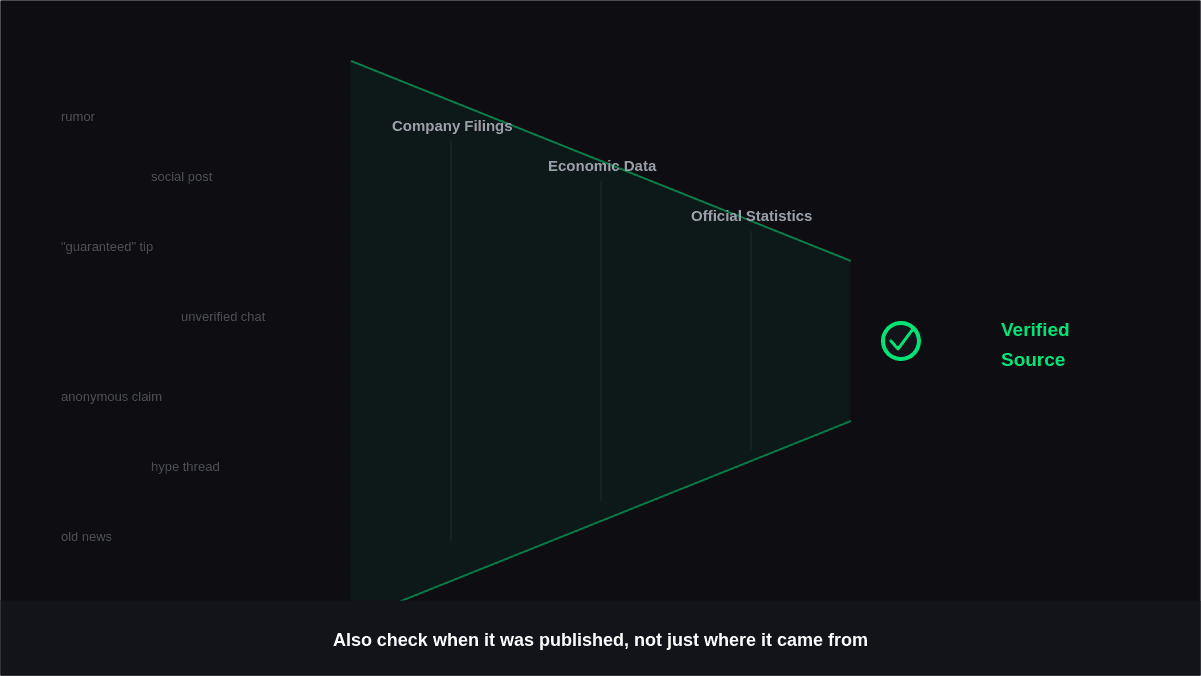
Beginners can quickly become overwhelmed by the amount of trading information available online. Following every market prediction can make it difficult to distinguish useful information from speculation.
Choose reliable sources for:
- Company announcements and filings
- Economic data and calendars
- Central-bank announcements
- Exchange information
- Reputable financial news
- Official market statistics
- Broker-provided research and data
You should also consider when information was published. A market commentary released after a major price movement may explain what already happened without providing useful insight into future conditions.
Having a consistent information process can help you avoid making decisions based solely on social media posts, rumors, or other unverified claims.
7. Prepare Your Trading Technology and Account Security
Trading also depends on having reliable access to your account and platform. Technical problems can become especially disruptive when you need to manage an open position.
Before trading, check that you have:
- A stable internet connection
- A suitable computer or mobile device
- Updated trading software or applications
- Strong and unique account credentials
- Two-factor authentication where available
- Notifications enabled for important account activity
- Access to your broker's customer support
- A backup way to access your account if your main device fails
Keep your login information private and be cautious of suspicious emails, messages, and links claiming to come from your broker. Basic technology and security preparation can prevent avoidable problems once you begin trading.
Conclusion
Knowing what should a beginner learn before trading can help beginners prepare for the practical side of entering the market. Financial goals, available time, broker selection, trading costs, tax responsibilities, reliable information, and account security can all influence how manageable the experience will be.
The idea that one needs to be aware of all the details before embarking on trading is not true. Nevertheless, thinking about these seven factors from the very beginning may help make your decisions more considered and prevent unnecessary complications. The key here is to develop a strategy that suits your situation while also building a strong foundation in trading psychology.